Goop Goes Viral: How Gen Z Turned Gwyneth's Wellness World Into a Cultural Moment
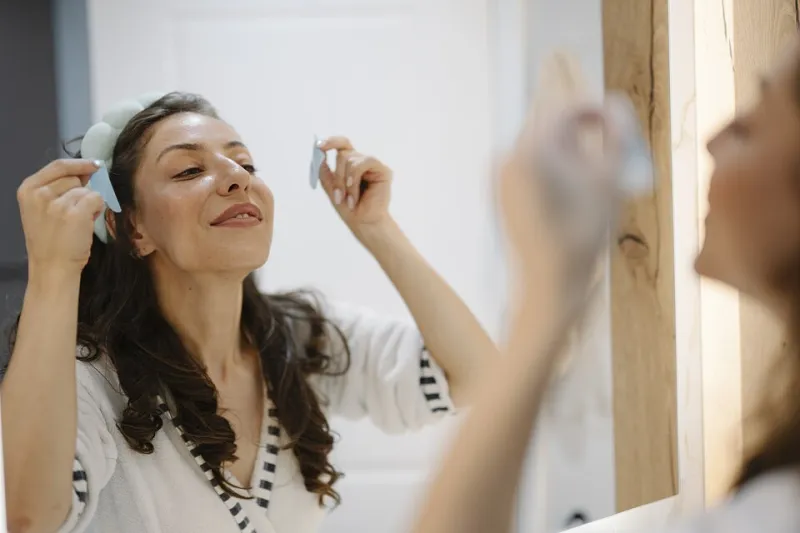
There's a particular kind of TikTok video that's become its own micro-genre: a twentysomething stands in front of their bathroom mirror, holding up a Goop product — maybe the vitamin C serum, maybe the infamous This Smells Like My Vagina candle — and delivers a deadpan monologue that's equal parts mockery and genuine enthusiasm. The comments are always the same mix: laughing emojis, 'I literally own this,' and 'okay but does it actually work though?'
This is Gen Z's relationship with Gwyneth Paltrow in a nutshell. It's layered. It's self-aware. And it's driving more cultural conversation — and probably more sales — than a lot of people expected.
The Irony Pipeline Is Real (And It Sells)
When Goop launched its now-legendary This Smells Like My Vagina candle in 2020, the internet treated it like a punchline. Late-night hosts had a field day. Twitter was undefeated. And then the candle sold out almost immediately and has been a recurring bestseller ever since.
That pattern — viral mockery leading directly to viral sales — is something Gen Z has essentially perfected as a consumption mode. They call it 'irony buying' or 'hate-watching into loving,' and Goop is one of the clearest case studies in how it works at scale. The brand is weird enough to meme, premium enough to aspire to, and self-aware enough (Gwyneth has laughed at the candle herself in interviews) to survive the joke.
For a generation raised on internet culture, authenticity and absurdity aren't opposites — they're complementary. A brand that can be both aspirational and a little ridiculous is actually more trustworthy than one that takes itself too seriously. Goop, almost accidentally, nailed that balance.
Clean Beauty Culture and the Goop DNA
Separate the memes from the movement for a second, and something more substantive emerges. The clean beauty industry — which emphasizes transparency in ingredients, avoidance of certain synthetic chemicals, and sustainability — is now a multi-billion dollar market in the US. And Goop was one of its earliest and loudest mainstream champions.
Millennial women who were in their twenties when Goop launched in 2008 are now in their mid-thirties and forties. Many of them carried those values — read your ingredient labels, question what you're putting on and in your body, demand transparency from brands — into their purchasing habits and passed them on. Gen Z, already primed by climate anxiety and a deep distrust of corporate greenwashing, arrived to find that framework waiting for them.
The result is a generation that shops clean beauty almost by default. Brands like Ilia, Saie, and Beautycounter — all operating in the Goop-adjacent 'better beauty' space — have exploded on TikTok in ways that feel organic but trace a direct line back to the cultural groundwork Gwyneth laid. She didn't invent clean beauty, but she gave it a face, a voice, and a very expensive candle.
Meme-ification as a Form of Engagement
Let's talk about the memes, because they're not just funny — they're a genuine form of cultural processing.
GP's lifestyle content has always occupied a specific aspirational register: the Hamptons, the private wellness retreats, the $300 face oils, the 'this is just how I live' energy that's simultaneously inspiring and completely unattainable for most people. For millennials, that gap between aspiration and reality was often a source of frustration. For Gen Z, it's content.
There's an entire ecosystem of 'Goop but make it affordable' content on TikTok — creators who take Goop's aesthetic and philosophy and translate it into drugstore budgets, thrift store finds, and apartment-size rituals. It's not rejection; it's remix. And it keeps Gwyneth's brand in the conversation even for people who will never spend $90 on a serum.
This is actually a sophisticated form of brand loyalty. When a younger consumer makes a video about how they're 'doing Goop on a Trader Joe's budget,' they're acknowledging Goop as the cultural reference point — the thing worth aspiring to, even if the aspiration is filtered through irony.
What Gen Z Is Pushing Back On
It wouldn't be honest to paint this as pure admiration. Gen Z has also been vocal about the parts of Goop's legacy that don't sit right with them.
The price point is the obvious one — a wellness philosophy that requires a significant disposable income to fully participate in has an access problem, and younger consumers aren't shy about naming it. There's also growing pushback on the pseudoscience issue. Gen Z, for all their embrace of astrology and crystals, is also deeply online and deeply skeptical. They'll share a Goop recommendation and then immediately link to a debunking article in the same breath. They hold both things simultaneously.
There's also a body image conversation happening. Some critics within Gen Z wellness communities have pointed out that Gwyneth's approach — the restrictive diets, the extreme exercise regimens, the perpetual 'optimization' of the body — can tip into territory that feels more like diet culture with better branding than genuine wellness. That's a critique worth taking seriously, and it's one that's pushing the broader wellness conversation toward more inclusive, less prescriptive models.
The Legacy Is Still Being Written
What's remarkable about Gwyneth's influence on younger generations is that it's genuinely bidirectional. She shaped them, and they're reshaping her brand in return.
Goop's recent years have seen a shift toward more inclusive wellness content, more acknowledgment of price accessibility, and a somewhat more measured approach to health claims — partly in response to regulatory pressure, but also, arguably, in response to a consumer base that demands more accountability. Gen Z's skepticism has made the wellness industry, including Goop, a little more honest.
And Gwyneth herself, at 52, seems to understand that her cultural moment has evolved. The ski trial memes of 2023 — where she became an unlikely Gen Z icon for her 'unbothered' courtroom energy — showed that she's capable of existing in multiple cultural registers at once: serious entrepreneur, wellness pioneer, and, yes, internet meme.
For a brand that started as a weekly email newsletter in 2008, that's a genuinely impressive arc. And if Gen Z has anything to say about it — and they always do — the story isn't close to over.
Follow GP Glow for ongoing coverage of Gwyneth's evolving influence on wellness, beauty, and culture.